Preventing falls at home: A checklist
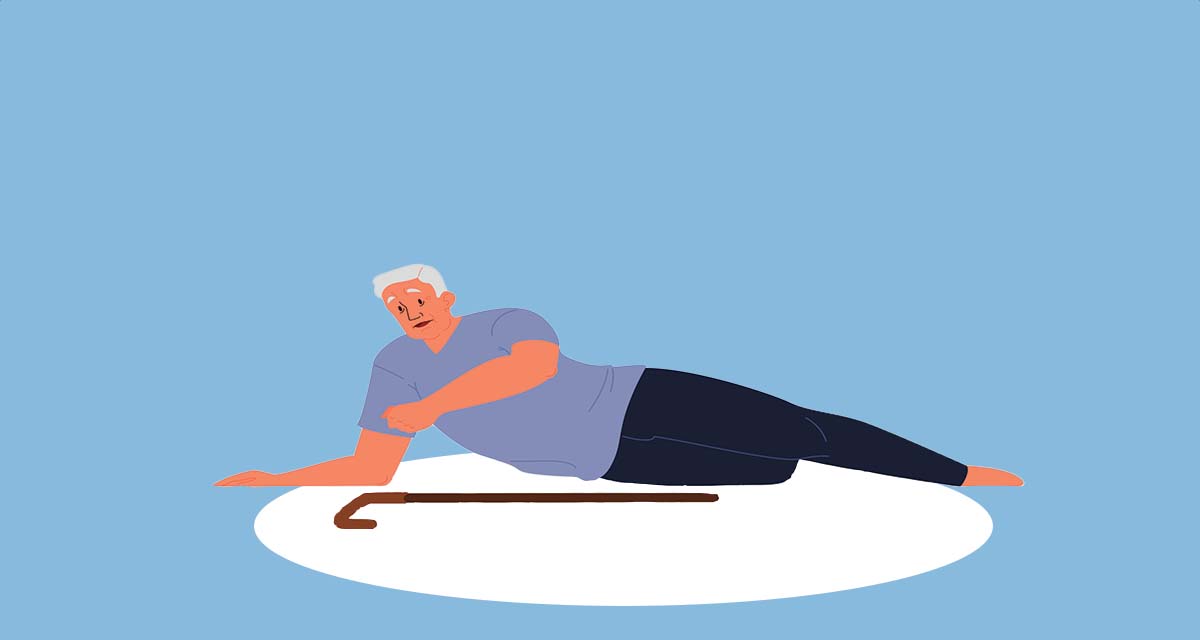
Preventing falls at home is crucial, as six out ten falls happen in our homes or gardens, so it’s important we all stay up to date with the latest fall prevention advice. Let’s stay safe!
Falls are increasingly common among anyone, but particularly those over the age of 65. Around 1 in 3 adults over this age will have at least one fall a year. This rises to 50% when we reach 80! The risk of falls is a natural part of ageing, and nothing to be embarrassed about, but prevention is key.
While we cannot halt ageing, we can try to protect ourselves against some of the challenges it brings.
Here’s a foolproof checklist to help you become fall-proof!
1. Are your walkways cluttered, look at the stairs and hallways?
2. Take a look at your lighting, are hallways, stairs and landings adequately lit?
3. Does your bathroom have a nonslip bathmat?
4. Do you have any unsecured rugs?
5. Do you have any loose cables where you walk?
6. Could your bathroom benefit from a hand rail?
7. Is everything you regularly use at eye level such as mugs and plates?
8. Does the entrance to your garden/ home have any steps?
9. Are your garden paths free of grass, moss and leaves? And are they steady and smooth?
10. Do you have any pets? And do they have a collar with a bell?
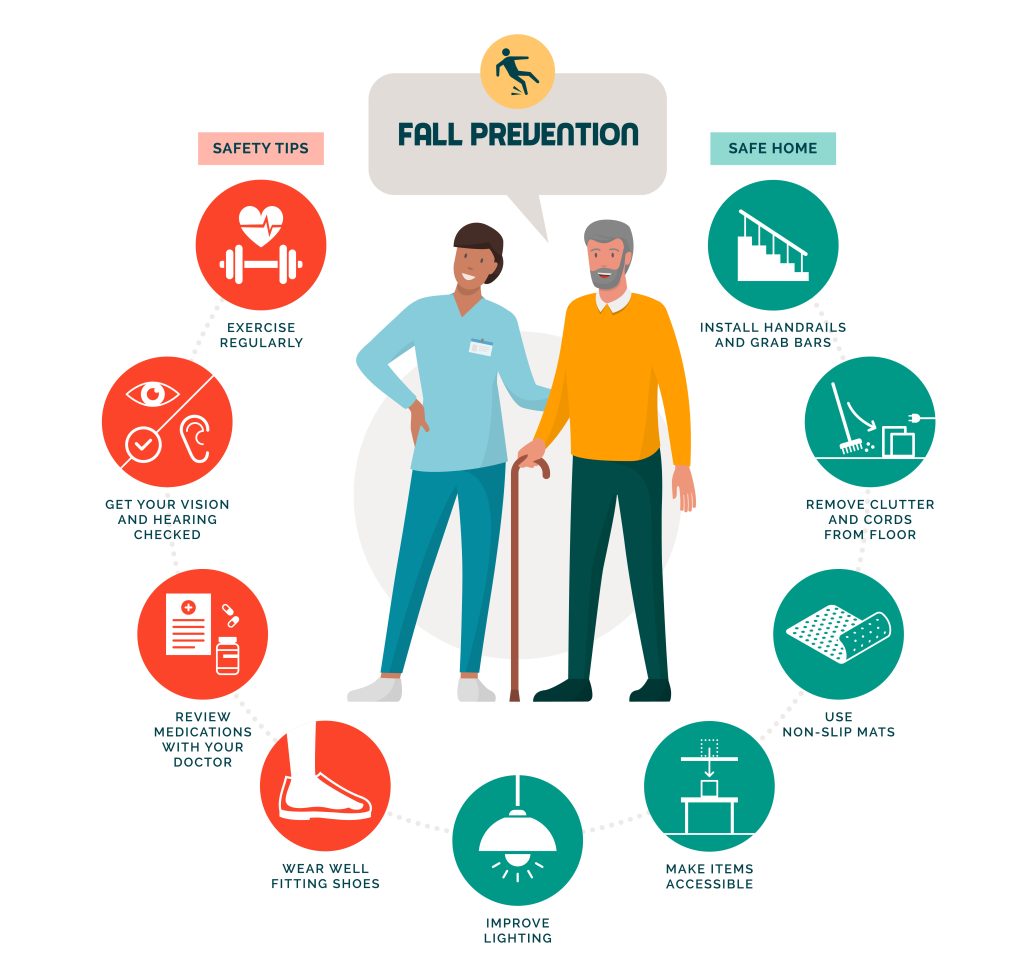
Addressing these questions
Once you have asked yourself these questions, determine what you should do next to address them and make your home safer.
For example, does your pet have a collar? If the answer is no, a simple fall prevention method is to give your dog or cat a collar with a bell. Falls often occur from people tripping over their pets! Therefore a collar with a bell lets you know where they are when you are walking around.
Health and safety practices tell us we need to first identify the risks, as you have done above, now it is time to avoid these risks Then lastly, control them. In this case, you could notice that you have loose cables near your stairs, then you can know to avoid them and remove them all together.
Preventing falls at home: Products
There are a number of items you can purchase to reduce your risk of falling at home, they can give you some independence and peace of mind as you go about your regular life.
 Non slip socks
These socks feature a tread on the sole and top of the foot, this reduces your risk of falling on slippy floors like hardwood.
They are made with a stretchy material, so they are comfortable and practical. Traditional socks and slippers are not considered suitable footwear for most floor types. Try these instead.
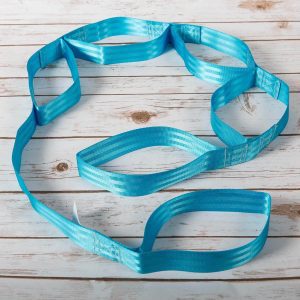 Bed ladder strap
This item is used to help you sit up in bed without support from others.
This strap safely allows you to rise up and get out of bed in a safe manner, therefore reducing your risk of falling out of bed. It also gives you some choice and independence.
 Read more
How to put on anti embolism socks
Benefits of music in care homes
Sources
- https://www.nhs.uk/conditions/falls/
- https://www.csp.org.uk/publications/get-go-guide-staying-steady-english-version
- https://alertforce.com.au/the-5-step-hierarchy-of-fall-prevention/